Sustainability in Wilton

What is sustainability?
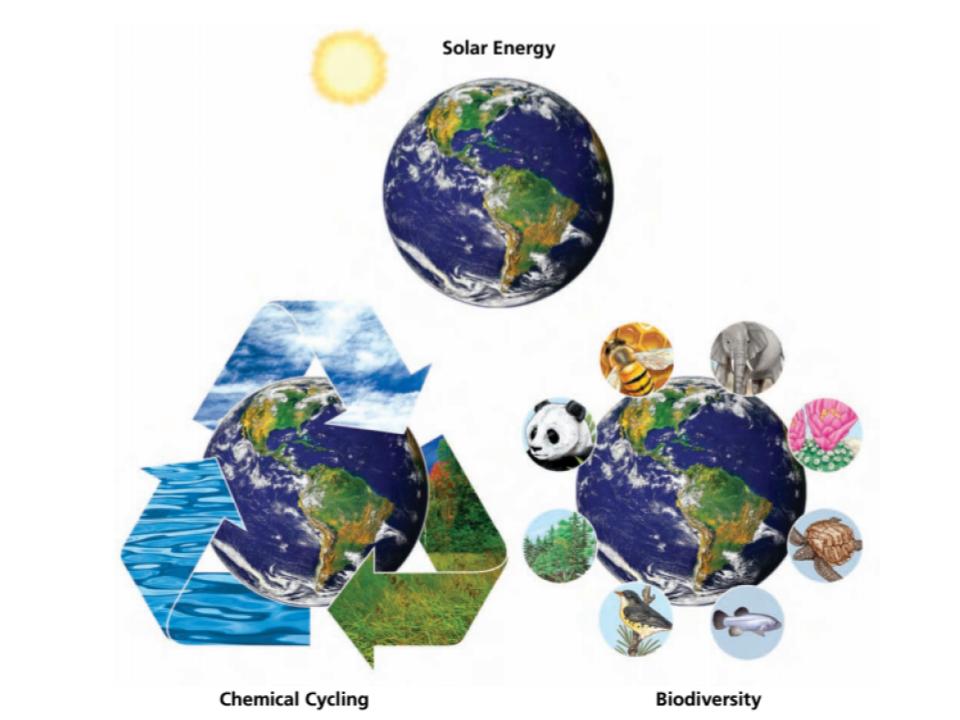
Sustainability is defined as the capacity of the earth's natural systems and human cultural systems to survive, flourish, and adapt to changing environmental conditions into the very long-term future. There are three main principles that humans should follow to achieve sustainability.
- Solar energy - Humans should utilize the perpetual resource of solar energy. Solar energy is renewable and easily accessible.
- Biodiversity - The diversity of organisms is important to their long-term survival. Humans should decrease the use of monocultures and increase the number of different organisms used for agriculture.
- Chemical Cycling - Nature uses biogeochemical cycles to distribute and renew natural resources. Humans should reuse and recycle the products they use to decrease waste.
Each person has an ecological footprint that is the amount of land and energy needed to provide a person with an indefinite supply of resources and dispose of waste. Part of sustainability is reducing the average per-capita ecological footprint.
Why is sustainability important?
Sustainability ensures the long-term survival of a species. It is unsustainable to use more resources than are produced, depleting the resource. Using a resource sustainably makes it possible to use it for an indefinite amount of time as long as it is being replenished naturally. Without sustainability, the world would eventually run out of key resources and many organisms would not be able to survive.